

By John Patterson
For years, Melanie Martinez has used her music as more than just storytelling—it has been a form of activism. From albums like Cry Baby to K–12, she has consistently explored themes of identity, trauma, societal pressure, and injustice. With her newest project, Hades, Martinez takes that activism even further by directly confronting political and social issues in the United States.
This album feels like a call-out not just to listeners, but to the U.S. government, leadership, and society as a whole. Through layered storytelling and emotional lyrics, she speaks on topics that are often ignored or silenced.
Gun Violence and Misuse of Rights
In the song “White Boy with a Gun” (Track 4), Martinez critiques the way gun rights are often defended in America. She highlights how the Second Amendment is sometimes used to justify violence rather than protection. Instead of focusing on safety within communities, the song suggests that gun culture has shifted toward harm and division.
Discrimination and Social Bias
“Grudges” (Track 6) explores how society normalizes discrimination. Martinez calls out how different groups of people are treated as “less than,” and how bias is often excused because it has become socially accepted. The track pushes listeners to reflect on how deeply rooted prejudice still is in everyday life.

Healthcare Inequality
In “The Plague” (Track 11), Martinez turns her attention to the U.S. healthcare system. She addresses issues like overpriced medical bills, lack of access to care, and how low-income communities are often neglected. The song paints a harsh picture of a system that prioritizes profit over people.
Beauty Standards and Identity
“Uncanny Valley” (Track 14) dives into the pressure placed on young people—especially through social media to look and act a certain way. Martinez critiques trends that push unrealistic standards, warning how they can damage self-esteem and cause individuals to lose their sense of identity.
War, Immigration, and Social Crisis
One of the most emotional tracks, “Gutter” (Track 13), speaks on global and national crises. Martinez highlights war, immigration struggles, and homelessness in the United States. She questions the lack of empathy from leadership and emphasizes how innocent families and children are the ones most affected by political decisions.
Religion and Political Power
Perhaps the most controversial song on the album is “The Vatican” (Track 15). At first listen, it may seem like a direct attack on Catholicism. However, Melanie Martinez uses the song to go deeper than religion itself. She critiques how political leaders and systems use religion as a tool for control, often twisting its meaning for power and influence.
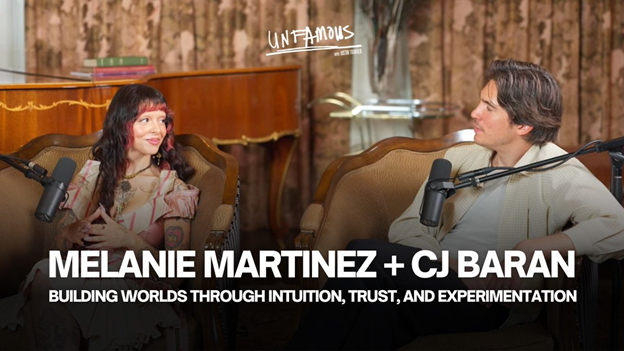
In an interview on Unfamous with Justin Tranter, Martinez explained that the song was intentionally provocative. She wanted people to question authority and think critically about how religion is used in politics. She acknowledged that the title alone would spark conversation but that was the point: to bring attention to the issue and start dialogue.
A Continuation of Activism
Hades is not a sudden shift for Martinez it is a continuation of what she has always done. Her earlier work already addressed issues like childhood trauma, education systems, and societal expectations. What makes this album different is how direct and urgent it feels.
Artists like Melanie Martinez play an important role in bringing attention to real-world issues. However, these conversations are not always amplified by mainstream media, which makes albums like Hades even more important. They create space for dialogue, reflection, and awareness.
Global Impact and Listener Response
The impact of Hades goes beyond just its message it is also reaching a wide audience. As more listeners stream and engage with the album on platforms like Spotify and YouTube, it becomes clear that people are connecting with these real-life topics.
Listeners have taken to social media to discuss the meanings behind songs like “The Vatican,” “The Plague,” and “Uncanny Valley,” showing how Martinez’s music is sparking conversations about politics, identity, and society. This proves that her work is not just being heard it is being felt and analyzed.
Critics have also responded to the album’s intensity. A review from Slant Magazine describes Hades as a dark pop project that reflects the chaos of modern society. While the review notes that the album is not always easy to digest and may feel overwhelming, it still recognizes that Martinez is intentionally mirroring the “dark times” of the real world through her music.
The Hades Listening Chamber Experience
To bring the album to life in a more immersive way, Melanie Martinez hosted the Melanie Martinez HADES Listening Chamber in London on March 17, 2026.
This exclusive event allowed fans to experience Hades in a deeper, more personal setting. The Listening Chamber was designed to reflect the themes of the album—dark, emotional, and thought-provoking. Fans were able to sit with the music, visuals, and atmosphere, creating a space where the album’s message could fully resonate.
Events like this show that Martinez is not just releasing music she is creating experiences that push listeners to think, feel, and reflect on the world around them.

Photo from hades listening chamber listing party on in March 2026
Why This Album Matters
At its core, Hades is about confronting uncomfortable truths. It challenges listeners to think critically about the world around them about power, inequality, and the systems that shape everyday life.
Melanie Martinez reminds us that music is not just entertainment; it can also be a powerful form of protest and storytelling.
