How Social Media Impacts Our Perception of Social Life
By John Patterson
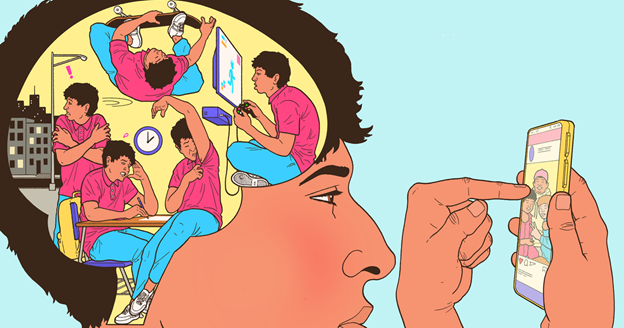
More than ever, social media has changed the way we view our social lives and the lives of others. Platforms such as Instagram, TikTok, and Snapchat have transformed social interaction into something constantly visible, measurable, and performative. Instead of simply living in the moment, many people now feel pressure to document and present their lives online in order to be seen, validated, or heard.
One of the most significant effects of social media is the rise of what can be described as “highlight culture.” Users typically post the best moments of their lives—vacations, parties, achievements, relationships, and aesthetically pleasing photos—while leaving out ordinary or difficult experiences. As a result, viewers begin to compare their everyday reality to someone else’s carefully curated presentation. This comparison can distort perception, making it appear as though everyone else is more social, more successful, or more fulfilled.
Social media has also redefined the concept of popularity. Today, social value is often measured in followers, likes, views, and shares. These numbers create the illusion that worth and influence are directly tied to online engagement. For many young adults, especially college students, this can lead to anxiety and a constant need for validation. Instead of asking, “Am I happy?” people may begin asking, “Did this get enough likes?”
To better understand this issue, I spoke with students within the CHC community. A student-athlete shared that social media does not significantly impact their mental health overall. However, they admitted that seeing couples online sometimes makes them feel like they are “falling behind” in their love life. Interestingly, they emphasized that in other areas academics, athletics, and personal growth they do not feel behind at all. This highlights how social media can create pressure in specific areas, particularly relationships, while not necessarily affecting every part of a person’s identity.
The same student explained that they primarily use social media for inspiration rather than comparison. For them, it can be a creative tool. However, they also expressed concern about authenticity. In their view, social media does not encourage people to be real; instead, it promotes curated personas and exaggerated lifestyles. They believe many users “fake their lives” to appear more successful or attractive. Because of this awareness, they actively choose not to compare themselves to others, understanding that much of what they see online may not reflect reality.
A commuter student offered a different perspective. They shared that social media sometimes affects them when they see campus events happening at night events they cannot attend due to work and home responsibilities. Watching others participate in those experiences can create feelings of missing out on the “traditional” college life. When asked directly if social media ever makes them feel behind or excluded from major life moments, they admitted that it does at times. However, they also clarified that overall they still feel social in many settings. For them, the feeling of missing out is often tied more to life circumstances than social media alone, though social media amplifies that awareness.
Another student who lives on campus discussed the broader social effects. They believe that society is experiencing a decline in social skills due to heavy social media use. According to them, online spaces seem to reduce empathy. People are more likely to mock situations or say things online that they would never say face-to-face. They also noted that for some individuals, their online persona appears more important than their real-life personality—especially when they are not public figures. This shift can cause people to focus more on how they are perceived digitally rather than how they treat others in person.
Research supports many of these concerns. The Child Mind Institute reports that studies show a correlation between increased social media use and rising rates of depression among teenagers and young adults. However, researchers caution that correlation does not prove causation. The relationship between social media and mental health is complex. Social media may contribute to depression through social comparison, fear of missing out (FOMO), sleep disruption, and reduced face-to-face interaction. At the same time, heavy use may reflect preexisting emotional struggles rather than directly causing them.
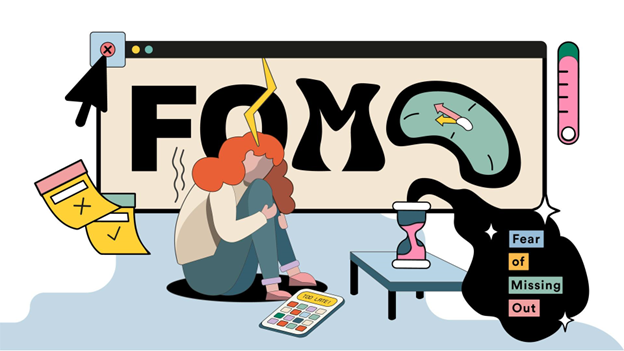
Another major shift is the changing definition of what it means to be “social.” In previous generations, social life centered primarily around in-person interaction and community presence. Today, posting stories, commenting, livestreaming, and sharing updates can substitute for face-to-face communication. While these tools allow connection across distance, they can also create relationships that lack emotional depth. Being constantly connected does not always mean feeling truly connected.
Ultimately, social media does more than reflect our social lives it reshapes how we perceive them. By prioritizing visibility, performance, and measurable engagement, it encourages comparison and external validation. For some individuals, social media can be a source of creativity, inspiration, and connection. For others, it can amplify insecurities and create unrealistic expectations about relationships, success, and happiness.
Understanding these dynamics is essential. Social media itself is not inherently harmful, but the way it shapes perception can influence how we evaluate ourselves and others. By becoming more aware of highlight culture, comparison, and authenticity, individuals can develop healthier relationships with both social media and their own social lives.