By John Patterson
Lately, I have been noticing more stories about wildlife, animals, and nature being removed or losing protections because of what people believe is better for the country. It makes me wonder how much nature we are willing to give up for development, business, or other human needs.
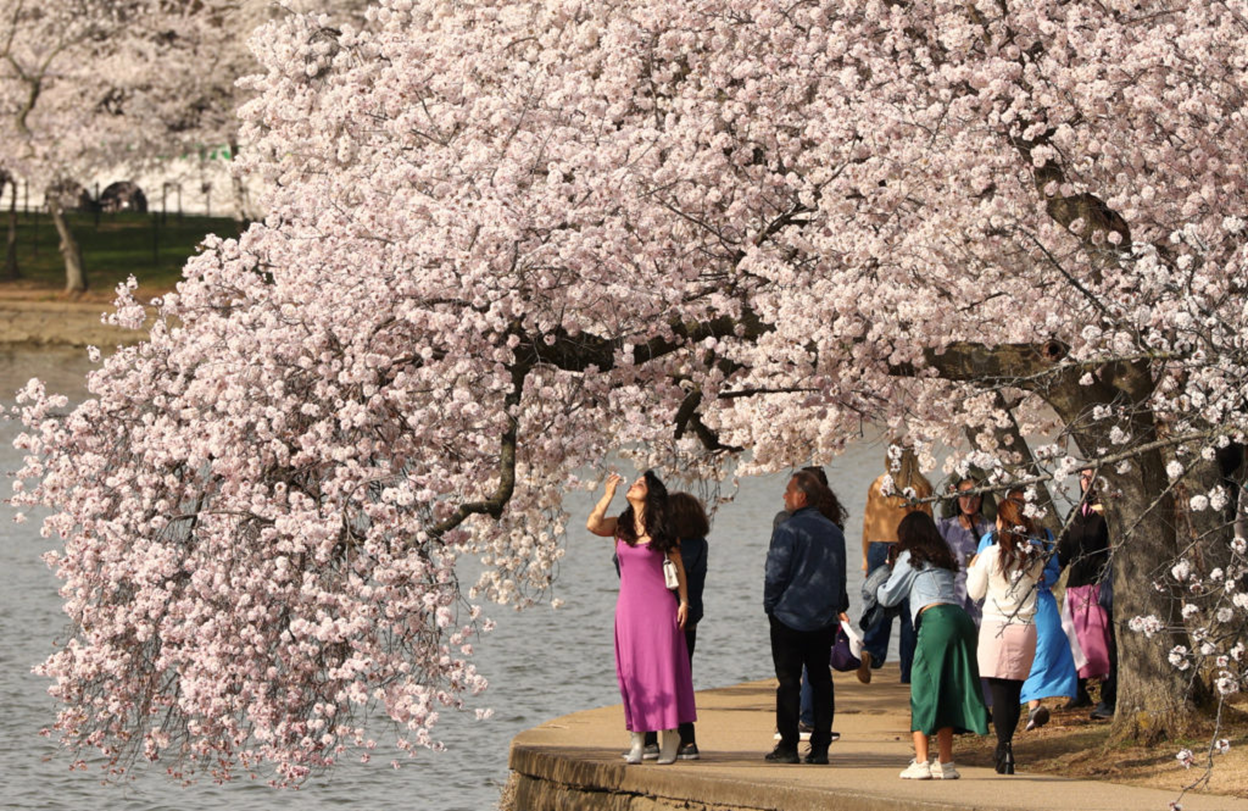
One example that caught my attention was the removal of cherry trees at East Potomac Golf Links in Washington, D.C. These are not just regular trees. They have a special history between the United States and Japan because the trees were gifted by Tokyo as a symbol of friendship and goodwill. Seeing these trees removed made me think about how nature can also represent history, culture, and relationships between countries.
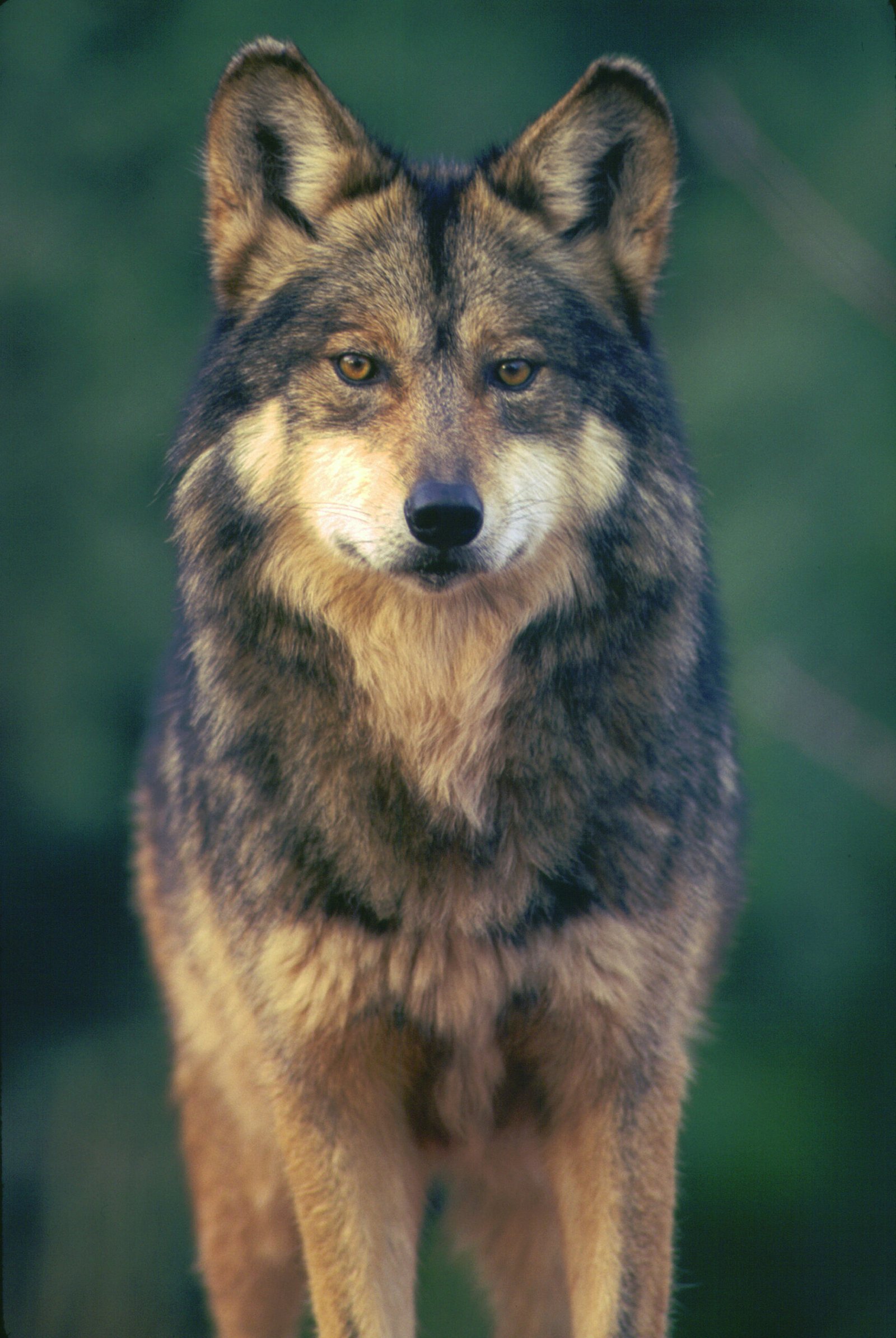
Another story that stood out to me was the discussion about removing federal protections for wolves. The Trump administration has directed officials to review protections for gray wolves and Mexican gray wolves. Supporters say this could help farmers and ranchers who are concerned about wolves attacking livestock. However, conservation groups are worried that removing protections could make it harder for wolf populations to recover.
The Mexican gray wolf especially shows why conservation matters. Its population in the wild grew from zero in 1998 (with only seven in captivity) to 319 in 2025 because of conservation efforts. Even though 319 may not sound like a lot, it shows how much can change when people work to protect a species.
These stories made me think about how Americans sometimes decide what parts of nature are worth protecting and what can be removed. To me, wildlife and trees are not just things in the way of development. They can represent history, culture, and the environment we share. I think the bigger question is whether progress always has to mean losing something from nature.
When I put these stories together, I start to see a bigger issue. Nature is often treated like something that can be moved, removed, or changed whenever humans need more space. But trees, animals, and wildlife have their own place in the world. They also become part of our history and culture. Once something is gone, we cannot always bring it back.
I understand that farmers need to protect their animals, cities need to grow, and communities sometimes need renovations. I do not think people and wildlife can always live together without problems. But I believe there should be a balance. We should be able to develop and improve our communities while also asking what we can protect instead of only asking what we can remove.
At the end of the day, protecting nature is not only about protecting trees or wolves. It is about protecting the history, relationships, and environment that we leave behind for the next generation. The cherry trees can remind us of friendship between countries, while the recovery of the Mexican gray wolf can remind us that conservation can work when people make the effort.
Maybe progress should not always mean taking something away. Maybe real progress can mean finding a way for people, animals, and nature to exist together. If we can learn to protect what we have instead of always replacing it, we can create a future with more respect, balance, and peace between people and the natural world.